The Monsoon Season Home Survival Guide: Roof & Leak Inspection, Humidity Defense & Flood Prevention
During monsoon season, tropical homes face extreme moisture loads. Extended periods of heavy rain paired with ambient relative humidity pushing past 85% to 95% RH test every structural weak point in a building.
Water ingress during monsoon season happens through three main pathways:
Vertical Penetration: Roof tile cracks, clogged gutters, and failed chimney or skylight flashing.
Lateral Penetration: Wind-driven rain forcing water through window frames, deteriorated wall caulking, and exterior plaster cracks.
Capillary / Rising Moisture: Saturated ground water seeping upward through concrete slabs, baseboards, and drainage back-ups.
This comprehensive guide breaks down how to audit your exterior roof and drainage, control indoor ambient humidity, safeguard electronics, and respond swiftly to flash flooding.
Zone 1: Exterior Shell, Roof & Drainage Defense
Stopping rain water before it breaches your home’s outer envelope is the most cost-effective defense against structural water damage.
1. Roof Tiles, Flashing & Valley Gutters
Replace Cracked Tiles: Heavy winds during monsoon storms can shift interlocking roof tiles. Inspect roof lines visually or hire a roof technician to replace cracked, slipped, or porous concrete tiles.
Inspect Flashing Seals: Check metal flashing around roof valleys, vents, and wall junctions. Aged bitumen tape or cracked silicone sealant must be scraped away and resealed with high-grade polyurethane waterproofing sealant.
Trim Overhanging Trees: Cut back tree branches within 2 meters of your roofline. Heavy rain causes branches to sag, scraping roof tiles and dropping leaves directly into gutter channels.
2. Clearing Gutters & Downspout Redirects
Clear Leaf Debris: Clogged gutters cause rain water to pool rapidly. Excess water backs up under the lower edge of roof tiles, leaking directly into ceiling plaster.
Install Gutter Guards: Place plastic or mesh leaf guards over gutter troughs to prevent falling leaves from forming dams above downspout openings.
Check Downspout Splash Blocks: Ensure downspout exits direct water at least 1.5 meters away from your house foundation or directly into covered storm drains.
3. Window Track Weep Hole Maintenance
Modern aluminum window frames feature tiny horizontal slots at the bottom exterior track called weep holes.
During heavy wind-driven rain, water collects in the window track.
If weep holes are clogged with dirt or insects, trapped rain water overflows inward over the window sill, soaking curtains and drywall beneath.
Use a stiff wire or old toothbrush to clear dirt from window weep holes weekly.
Zone 2: Interior Ceiling Leaks, Seepage & Wall Defense
Catching water leaks early prevents plasterboards from collapsing and shields electrical wiring inside ceiling cavities.
1. Identifying Early Water Stain Signals
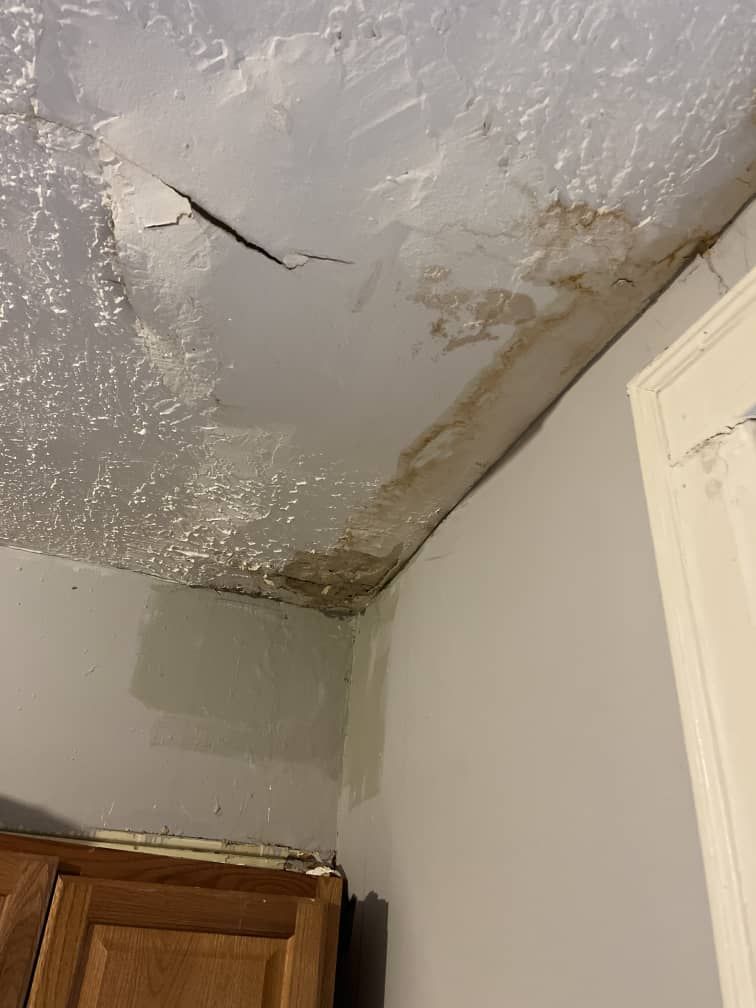
Brown or Yellow Rings: Water seeping through plasterboard leaves characteristic brown halo rings on ceiling paint.
Bubbling or Flaking Paint: Paint film bulging downward indicates trapped water pooling directly above the plaster layer.
2. Emergency Response: Relief Hole Procedure
If a ceiling panel bulges downwards under the weight of trapped water:
Place a Bucket Beneath: Position a large plastic bucket or bin directly underneath the low point of the bulge.
Puncture a Relief Hole: Use a screwdriver or small drill bit to carefully pierce the center of the water bulge.
Drain the Water: Allowing water to drain into the bucket releases pressure on the plasterboard, preventing a sudden, destructive ceiling collapse.
Locate Roof Source: Once rain stops, inspect the attic space above the hole to repair the leaky tile or flashing above.
Zone 3: Indoor Humidity Control & Odor Defense
When it rains continuously for days, outdoor relative humidity hovers near 100%. Managing indoor air quality is essential to stop mold (bau kepam) from taking over.
1. The "Window Lockdown" Rule
Keep Windows Closed During Rain: Opening windows during monsoon downpours does not "ventilate" the home—it floods your rooms with saturated water vapor.
Flush Air on Clear Afternoons: Only open windows when outdoor air is clear and sunny, typically between 12:00 PM and 3:00 PM.
2. Active Mechanical Moisture Extraction
| Extraction Method | Coverage Area | Efficiency | Ideal Use Case |
|---|---|---|---|
| Electric Compressor Dehumidifier | Entire bedroom or living room | Very High: Extracts 10–20 liters of water daily. | Enclosed bedrooms, walk-in closets, and living areas during continuous rain days. |
| Air Conditioner "Dry Mode" | Air-conditioned rooms | High: Uses cooling coils to condense vapor without over-cooling. | Daily humidity maintenance while sleeping or working. |
| Calcium Chloride Tubs | Cabinets, drawers & shoe racks | Moderate: Absorbs 200–500ml over several weeks. | Small, sealed micro-environments like leather wardrobes and shoe boxes. |
| Activated Bamboo Charcoal | Drawers & car interiors | Passive: Odor absorption & mild moisture control. | Continuous passive odor neutralization; recharge in sunlight monthly. |
Zone 4: Flash Flood Defense & Electrical Safety
Low-lying urban areas and homes near storm drains face flash flood risks during intense monsoon surges. Preparedness minimizes property damage and ensures household safety.
Electrical Protection Checklist
Elevate Extension Cords: Ensure extension strips and smart plugs are lifted at least 15 cm above ground level.
Test ELCB / RCD Monthly: Press the "TEST" button on your main distribution box. If the breaker trips immediately, your shock protection works. If it fails to trip, hire an electrician to replace it before monsoon season begins.
Complete Monsoon Home Care Checklist
| Frequency | Inspection / Action Plan |
|---|---|
| Pre-Monsoon (Annual) | Clear all roof gutters; replace damaged tiles; check window caulking; service dehumidifiers and aircons; test main ELCB breaker. |
| Bi-Weekly (During Rain) | Clear dirt from window track weep holes; check ceiling panels for yellow stains; empty dehumidifier water tanks. |
| Monthly | Inspect wardrobe back panels for white mold; replace full calcium chloride tubs in closets; clear perimeter storm drains outside your gate. |
| Post-Monsoon Reset | Perform deep attic leak inspection; sun-dry mattresses and rugs; deep clean aircon mesh filters and coils. |