Eliminating Musty Wardrobe & Room Smells: The Ultimate Guide to Defeating Mold & Dampness in Humid Climates
During the Malaysian monsoon season or hot, humid months, relative humidity inside homes frequently climbs above 70% to 85%. This excess moisture triggers a common household nuisance known locally as bau kepam—a stale, musty smell that penetrates wardrobes, walls, mattresses, and stored leather goods.
That distinct damp odor isn't just an unpleasant smell; it is the active emission of Microbial Volatile Organic Compounds (mVOCs) produced by invisible mold spores (Aspergillus, Penicillium, and Cladosporium) actively multiplying in dark, stagnant spaces.
This emergency guide breaks down how to eradicate mold at the root, strip musty odors from clothes and furniture, and control indoor humidity to stop mold from returning.
The Science: What Causes "Bau Kepam" & Mold Outbreaks?
Understanding the triple-threat environment in tropical homes makes mold control much easier:
Humidity Above 65% RH: Mold spores lie dormant until relative humidity (RH) crosses 65%. Once ambient moisture stays elevated for 24 to 48 hours, spores germinate and spread rapidly across organic materials like cotton, leather, wood veneer, and drywall.
Poor Air Circulation: Built-in wardrobes pushed flush against external concrete walls trap cool condensation, creating micro-climates ideal for fungal growth.
Indoor Laundry Drying: Hanging damp laundry indoors during rainy days releases up to 2 to 3 liters of water vapor directly into your living room or bedroom air, accelerating mold growth on nearby furniture.
The Anti-Mold & Odor Neutralization Kit
Using the wrong chemical on porous surfaces can bleach colors or make wood swell. Choose your cleaning agent based on the target surface:
| Cleaning Agent / Tool | Best Used For | Safety & Usage Note |
|---|---|---|
| Distilled White Vinegar (5% Acid) | Killing mold roots on porous wood, wardrobes, and fabrics | Mild acid penetrates porous materials to destroy fungal hyphae; safe for clothes |
| 70% Isopropyl Alcohol | Disinfecting leather bags, shoes, and electronic casings | Kills surface spores fast and evaporates quickly without causing water damage |
| Activated Bamboo Charcoal | Continuous passive odor absorption inside wardrobes | Reusable; recharge monthly under direct sunlight for 2 to 3 hours |
| Baking Soda (Sodium Bicarbonate) | Deodorizing carpets, fabric sofas, and mattresses | Draws out ambient moisture while chemically neutralizing acidic odor molecules |
| Chlorine Bleach Solution | Hard, non-porous surfaces like bathroom tiles and glass | Never use on wood or drywalls! Bleach stays on the surface while water seeps in, feeding mold roots |
Zone 1: Wardrobes, Clothes & Leather Goods (Rescuing Moldy Closets)
Dark, enclosed wardrobes are the #1 target for white powdery mold (Aspergillus) that leaves clothes smelling stale and damages expensive leather handbags.
Stripping "Bau Kepam" Out of Musty Clothes
Standard laundry detergent alone will not strip deep-seated damp smells from clothes.
The Vinegar Wash: Place musty garments into your washing machine. Add 1 cup of white vinegar directly into the drum alongside your detergent.
Wash Hot: Select a warm water cycle (40°C to 60°C) to dissolve trapped body oils and kill mold spores trapped in cotton fibers.
Sun-Dry or Tumble Dry Immediately: Never leave washed clothes sitting in a closed washing machine drum for more than 30 minutes. Line-dry outside under direct UV sunlight or use a dryer set to high heat.
Rescuing Moldy Leather Shoes & Handbags
Do NOT use water or bleach on genuine leather, which causes permanent discoloration and cracking.
Dampen a cotton pad with 70% isopropyl alcohol or specialized leather cleaner.
Wipe off all white powdery mold spots gently.
Follow up with a thin coat of leather conditioner to restore moisture, then insert a pouch of silica gel or activated charcoal inside the handbag before storing.
Zone 2: Bedroom Walls, Ceilings & Baseboards
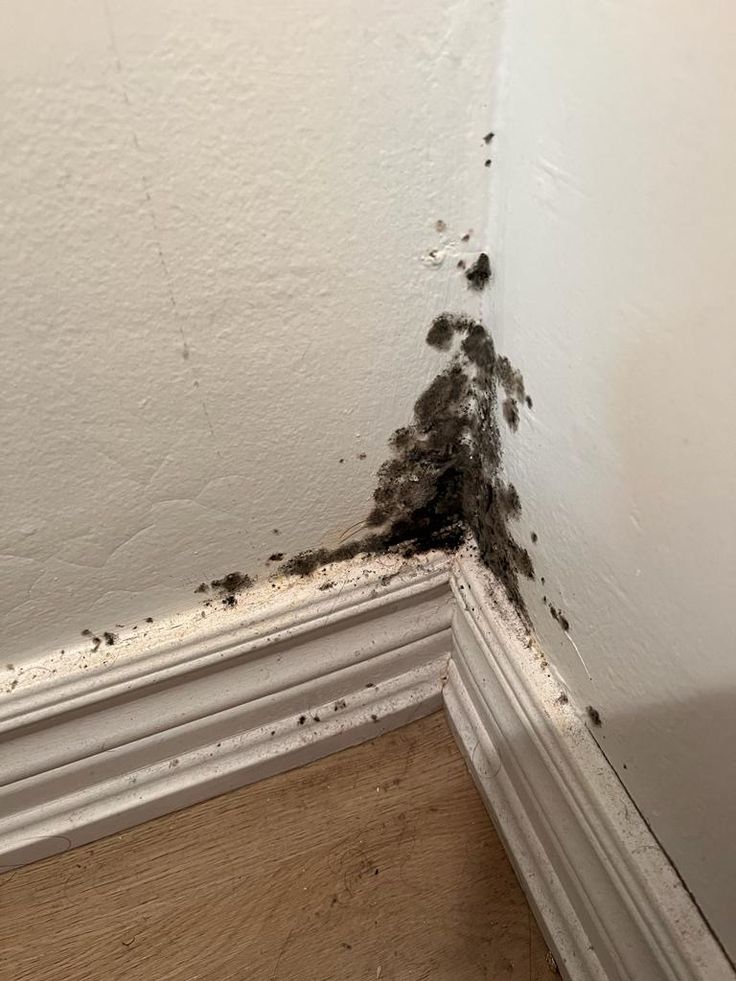
Black or green speckles appearing on painted drywall indicate serious surface condensation or hidden pipe leaks behind plaster.
1. Differentiating Condensation Mold from Water Leaks
Condensation Mold: Appears as fine, widespread black dots or fuzzy patches across outer wall corners, near windows, or behind headboards. Caused by stagnant humid air.
Structural Leak Mold: Appears as dark, concentrated rings surrounded by yellowing water stains, flaking paint, or bulging plaster. Requires a plumber to repair leaking internal pipes first.
2. Safely Wiping Down Moldy Walls
Wear Protection: Put on an N95 dust mask and rubber gloves to avoid inhaling airborne spores.
Apply Anti-Fungal Solution: Mix 1 part white vinegar with 1 part warm water in a spray bottle. Spray lightly over the affected wall area.
Wipe, Don't Scrub Hard: Wipe down the wall using a damp microfiber cloth to lift spores without stripping wall paint.
Apply Anti-Mold Primer (For Persistent Mold): If mold returns every monsoon season, scrape off flaking paint, apply an anti-fungal primer coat, and repaint using specialized anti-mold interior wall paint.
Zone 3: Soft Furnishings, Mattresses & Air Conditioning
Soft fabrics act as giant sponges, absorbing atmospheric moisture and locking in stale odors.
MATTRESS & SOFA DEODORIZATION
1. Deep Deodorizing Fabrics with Baking Soda
Sift: Sprinkle an even layer of baking soda over fabric sofas, carpets, and mattresses. Mix in 5 to 10 drops of tea tree or eucalyptus essential oil for natural antimicrobial protection.
Dwell Time: Allow the powder to sit undisturbed for 2 to 3 hours. Baking soda draws out trapped moisture while binding acidic odor molecules.
HEPA Vacuum: Vacuum up all powder using a upholstery brush attachment fitted with a HEPA filter.
2. Air Conditioner Coil Cleaning (Stopping Recirculated Spores)
When your air conditioner runs, its internal evaporator coils collect condensation. If dirty, the blower fan blows damp mold spores back into your bedroom every time you turn on the unit.
Rinse Filters Bi-Weekly: Wash plastic aircon mesh filters under running tap water every two weeks during rainy months.
Clean Drain Trays: Ensure the external aircon drainage hose is not clogged or producing standing water, which causes sour smells inside the room.
Zone 4: Long-Term Humidity Prevention Protocol
Stopping mold requires controlling indoor relative humidity and keeping it consistently below 60% RH.
1. Electric Dehumidifiers vs. Moisture Absorber Tubs
Electric Compressor Dehumidifiers: Highly recommended for bedrooms and walk-in closets. Set target humidity to 50%–55% RH. A 12-liter unit can extract several liters of water daily from a humid bedroom.
Air Conditioner "Dry Mode" (Drop Icon): Uses the cooling compressor at low fan speeds specifically designed to extract water vapor without over-cooling the room.
Calcium Chloride Tubs (Thirsty Hippo): Excellent for small, enclosed spaces like shoe cabinets and drawers. Replace tubs as soon as the white granules turn completely into liquid.
2. Strategic Airflow Management
Sunny Afternoons: Open opposite windows for 30 to 60 minutes between 12:00 PM and 3:00 PM to flush out trapped stale indoor air.
Rainy Days: Keep windows completely closed during downpours. Outdoor humidity spikes near 100% during heavy rain; opening windows lets gallons of water vapor into your home.
Indoor Clothes Drying Fix: If forced to dry clothes indoors, place the drying rack inside a small room with an electric dehumidifier running, or point a standing fan directly at the rack with the door closed.
Humidity & Mold Prevention Routine
| Frequency | Action Plan |
|---|---|
| Daily | Run aircon "Dry Mode" or electric dehumidifier in bedrooms; empty standing water in kitchen/bathroom. |
| Weekly | Wash bed sheets in warm water; inspect wardrobe corners for white fuzz; vacuum carpets with HEPA filter. |
| Monthly | Rinse air conditioner mesh filters; replace full moisture-absorber tubs in closets; sun-dry bamboo charcoal bags. |
| Quarterly (Every 3 Months) | Deep clean wardrobe interior panels with vinegar/alcohol; wipe wall baseboards; clean aircon drain trays. |