Operating household appliances in Malaysia presents unique environmental challenges. With ambient temperatures frequently lingering between 30°C and 35°C and relative humidity hovering between 70% and 90%, air conditioners and home appliances run harder, longer, and under harsher moisture conditions than almost anywhere else in the world.
Without consistent care, high ambient heat degrades mechanical components, while incessant condensation turns indoor cooling units into breeding grounds for bio-film ("jelly mold"), fungal spores, and bacterial sludge.
1. The Tropical Dilemma: Why Aircon Care Is Critical in Malaysia
Malaysian households rely heavily on air conditioning for thermal comfort and sleeping. However, tropical conditions create four main operational hazards:
Rapid Biological Growth: Condensation on the cooling coils creates standing water inside the drain pan. Mixed with indoor household dust, this grows a thick, jelly-like microbial slime that quickly clogs drain hoses and causes indoor water leaks.
Dust & Haze Accumulation: Fine particulate matter (PM₂.₅) during haze seasons or urban construction coats the aluminum fins of indoor evaporator coils, reducing heat exchange efficiency by up to 30%.
Gecko (Cicak) Hazards: Outdoor compressor unit Printed Circuit Boards (PCBs) attract geckos looking for warm shelter. Their bodies frequently bridge electrical leads, shorting out expensive inverter circuit boards.
High Electricity Bills: A dirty, unmaintained air conditioner forces its compressor to work at maximum capacity for extended periods, inflating monthly Tenaga Nasional Berhad (TNB) utility bills significantly.
2. DIY Care vs. Professional Servicing: Knowing the Difference
Understanding what you can maintain yourself versus what requires a qualified technician prevents unnecessary repair expenses.
| Maintenance Level | Frequency | Scope of Work | Primary Benefit |
|---|---|---|---|
| DIY Filter Cleaning | Every 2 to 4 Weeks | Washing plastic mesh filters, wiping outer louvers & front casing | Restores airflow, prevents surface dust accumulation |
| Standard Service | Every 4 to 6 Months | Blower wheel dusting, coil surface spray, drain pipe vacuuming | Clears minor dust, maintains steady cooling efficiency |
| Chemical Wash (On-Wall) | Every 6 to 12 Months | Direct high-pressure chemical foam spray on installed coils | Flushes stubborn grease, kills bacterial odor, clears mild clogs |
| Chemical Overhaul | Every 12 to 24 Months | Complete dismantling of indoor unit, chemical bath dipping for coils | Eliminates major water leaks, severe jelly mold, and deep grime |
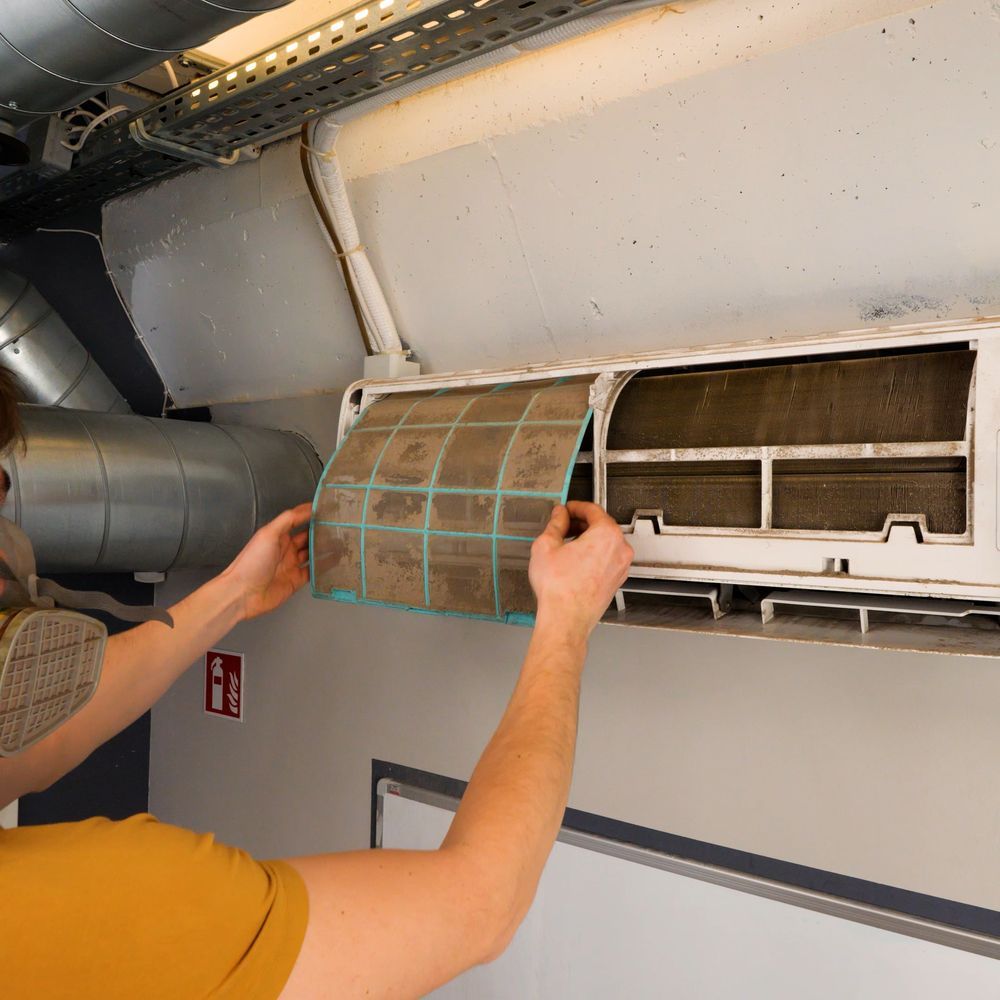
3. Step-by-Step DIY Aircon Filter & Casing Maintenance
Routine filter cleaning takes less than 15 minutes and is the single most effective way to extend your aircon's lifespan.
4. Outdoor Compressor Unit Maintenance
The outdoor condenser unit is responsible for expelling heat absorbed from inside your home. If the compressor cannot release heat efficiently, cooling performance drops drastically.
Key Outdoor Care Rules:
Maintain 50cm Clearance: Keep potted plants, laundry racks, and stored boxes at least 50cm away from the compressor fan inlet and outlet to ensure unrestricted air discharge.
Clear Debris and Leaves: Periodically check behind the unit where dry leaves and spiderwebs tend to collect against the aluminum cooling fins.
Gently Hose Down Fins: Using a standard garden hose (do not use ultra-high pressure jets close up), spray water top-to-bottom across the rear aluminum fins to wash away ambient street dust. Avoid spraying water directly into the side electrical wiring junction box.
Install Gecko Barriers: Ask your installer to seal cable pass-through holes with putty or fit fine wire mesh over the PCB housing to keep geckos out.
5. Troubleshooting Common Malaysian Aircon Problems
When your aircon malfunctions, understanding the symptom helps you communicate effectively with technicians and avoid being overcharged.
A. Water Dripping / Leaking Indoors
Primary Cause: The condensation drain line is choked with thick bacterial jelly or dust sludge, causing condensed water to overflow the internal drain pan.
Quick Fix: Locate the external discharge pipe (usually sticking out near a balcony floor drain or outer wall) and use a wet/dry shop vacuum to suck out the blockage from the outside. If the leak persists, an overhaul is required.
B. Foul, Musty, or Sour Smells
Primary Cause: Dark, damp environments inside the aircon allow mold (Aspergillus) and bacteria to thrive on the blower wheel and coil surfaces during off hours.
Quick Fix: Spray a commercial coil cleaner foam, or hire a technician for a chemical wash. To prevent future odors, run the unit in Fan Mode for 10 minutes before turning it off to dry the interior completely.
C. Unit Blowing Warm Air or Freezing Ice
Primary Cause: Severely restricted airflow due to dirty coils/filters, or a slow refrigerant gas leak (R32 or R410A) in copper pipe joints.
Quick Fix: Clean the filters immediately. If ice forms on the indoor copper pipes, turn off the cooling mode and let the ice melt. Call a technician to check gas pressure with a manifold gauge.
6. Energy Efficiency & Humidity Management (Lowering TNB Bills)
Managing cooling efficiently cuts monthly electricity expenditure without sacrificing comfort.
Set to 24°C–26°C: Every 1°C lower than 24°C increases compressor power consumption by roughly 6% to 10%.
Combine with Ceiling Fans: Running a ceiling or standing fan at low speed alongside air conditioning creates a wind-chill effect, making a room set at 25°C feel like 22°C while using a fraction of the power.
Mastering "Dry Mode" vs. "Cool Mode":
Cool Mode (Snowflake Icon): Actively engages the compressor for high thermal loads. Use during hot, sunny afternoons.
Dry Mode (Water Drop Icon): Cycles the compressor to maximize moisture removal without over-cooling the air. Ideal for humid rainy monsoon nights.
Inverter Unit Care: Inverter aircons are designed to run continuously at low speed rather than cycling on and off. Avoid turning inverter units on and off repeatedly throughout the day.
7. Recommended Maintenance Calendar
Use this maintenance schedule tailored to Malaysian tropical climate demands:
8. Humidity Care for Related Household Appliances
High humidity affects other major kitchen and utility room appliances:
Refrigerators: Humidity causes condensation along magnetic door gaskets. Wipe rubber seals monthly with mild warm water to prevent black mold and maintain an airtight seal, reducing compressor fatigue.
Washing Machines: Leave the door and detergent drawer slightly open after every wash cycle to allow air circulation. Run a tub-clean cycle with vinegar or tub cleaner monthly to eliminate fungal build-up inside the outer drum.
Microwaves & Ovens: Steam trapped inside microwave cavities damages circuit boards over time. Wipe down moisture from inside doors after heating moist meals, and avoid placing microwaves right next to water sinks.