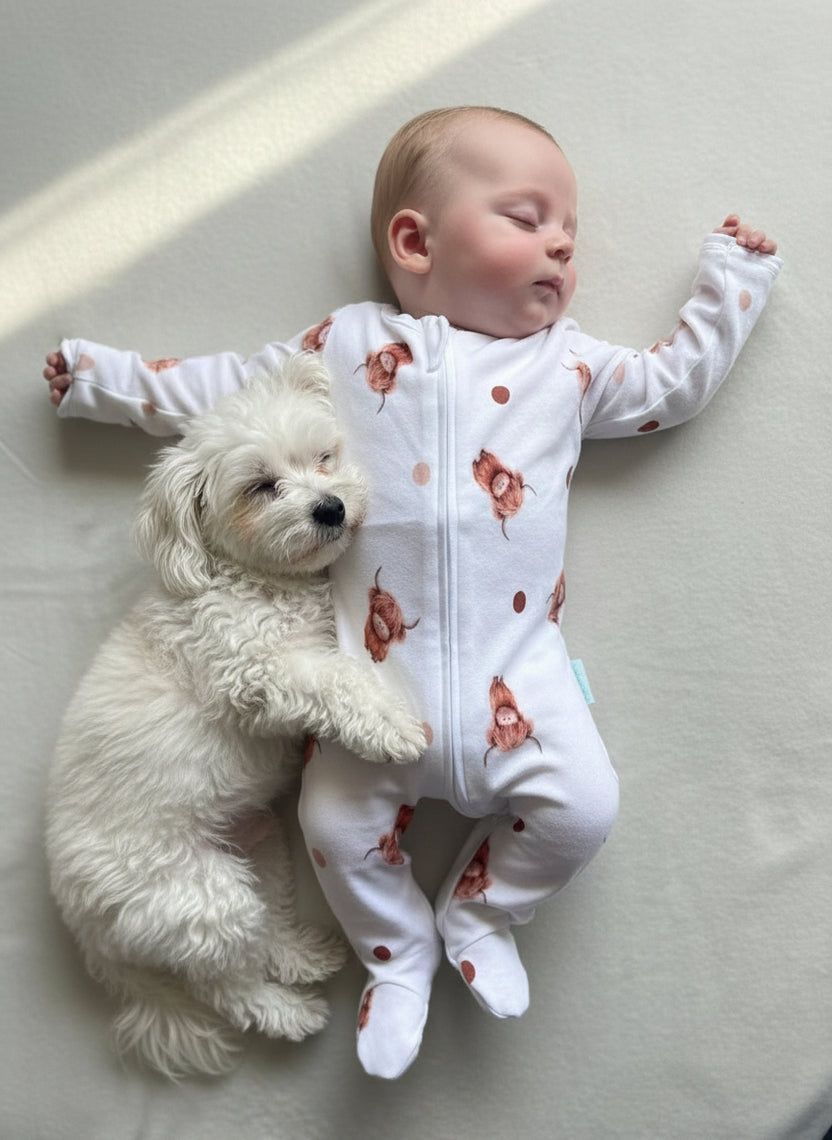
Safe Haven: The Ultimate Eco-Friendly Baby & Pet-Safe Cleaning Guide
For young families and pet parents in modern apartments and condos, home sanitization is about more than just surface appearance. Infants and domestic pets inhabit a completely different micro-environment than adults.
Because crawling babies and curious pets spend their days within inches of the floor, their exposure to residual floor cleaners, synthetic fragrances, and chemical fumes is significantly higher.
The Physiology of Exposure: Why Babies & Pets are Vulnerable
Understanding why standard commercial cleaners pose risks helps you make smarter choices for your household.
1. Ingestion via Normal Behaviors
Infants & Toddlers: The hand-to-mouth phase means anything touching a freshly cleaned floor, play mat, or high chair tray ends up in their mouths.
Cats & Dogs: Pets clean themselves by licking their paws and fur. Any chemical residue left on tiles or rugs is ingested directly into their digestive tracts daily.
2. Respiratory & Metabolic Sensitivity
Higher Breathing Rates: Infants breathe twice as many times per minute as adults relative to their body size, inhaling higher concentrations of volatile organic compounds (VOCs) lingering near ground level.
Feline Metabolic Limitations: Cats lack essential liver enzymes (specifically glucuronyl transferase) required to process common household aromatic compounds like phenols, pine oils, and essential oils.
Dermal Absorption: Paw pads and delicate baby skin absorb lipid-soluble chemicals directly through contact.
The Chemical Blacklist for Family Homes
Before switching to plant-based solutions, purge your cabinets of these high-risk cleaning compounds:
| Conventional Chemical | Common Products Found In | Specific Hazard to Babies & Pets | Eco-Friendly & Safe Replacement |
|---|---|---|---|
| Quaternary Ammonium Compounds (Quats) | Disinfectant sprays, floor wipes, fabric softeners | Triggers asthma in infants; linked to skin rash & reproductive issues in pets. | 3% Hydrogen Peroxide or Steam |
| Phthalates & Synthetic Fragrances | Air fresheners, scented floor cleaners | Endocrine disruptors; provokes respiratory irritation in brachycephalic dogs (pugs, bulldogs). | Citrus-infused vinegar or HEPA air filtration |
| Chlorine Bleach (Sodium Hypochlorite) | Tile cleaners, toilet bowl disinfectants | Corrosive vapors cause lung damage; deadly if ingested by pets drinking from toilet bowls. | Baking Soda + Citric Acid |
| Phenols & Pine Oils | Heavy-duty disinfectants | Extremely toxic to cats; causes liver toxicity and nervous system damage. | Diluted Liquid Castile Soap |
High-Risk Zone Protocols & Safe Solutions
Zone 1: Play Mats, Hardwood & Floor Surfaces
Floor cleaners leave behind thin films that dry into chemical dust.
The Safe Formula: 2 cups warm water, 1/4 cup distilled white vinegar (or 1 tbsp liquid castile soap for marble/stone), and 1 tbsp food-grade vegetable glycerin (adds a streak-free shine).
Application: Use a microfiber spray mop. Keep the mop head damp—never soaking wet—to avoid warping laminate flooring in humid condo environments. Floors should air-dry within 40 seconds.
Zone 2: Baby Toys, Teethers & High Chairs
High chair trays and teething toys undergo constant oral contact. Never use commercial quat-based sprays or undiluted bleach on objects that enter a child's mouth.
Zone 3: Pet Feeding Bowls & Litter Tray Care
Pet bowls accumulate a sticky bacterial layer called biofilm (a matrix of bacteria and saliva). Standard dish soap often leaves synthetic perfumes behind that turn pets away from drinking water.
Biofilm Removal: Scrub stainless steel or ceramic bowls daily using a paste of baking soda and warm water. Baking soda acts as a physical abrasive to break up biofilm without scratching surfaces.
Litter Tray Odor Neutralization: Avoid scented litter deodorizers that irritate feline respiratory systems. When scrubbing the plastic tray, use unscented liquid castile soap, rinse, and sprinkle a 1/2-inch layer of pure baking soda under the fresh litter to absorb ammonia.
The Complete Pet-Safe Essential Oil Guide
Many parents use essential oils to freshen homes naturally, but concentrated plant extracts can be hazardous to pets.
Oils NEVER to Use Around Cats or Dogs
Tea Tree (Melaleuca): Highly toxic even in small doses; causes muscle tremors and liver failure.
Eucalyptus & Peppermint: Provokes severe respiratory distress, vomiting, and salivation.
Citrus Oils (d-limonene): Toxic to cat livers when vaporized or applied to surfaces.
Pine, Wintergreen, & Ylang Ylang: Dangerous metabolic burden for both dogs and cats.
Safe Natural Scenting Alternatives
Simmer Pots: Simmer cinnamon sticks, apple slices, and fresh rosemary in a pot of water on the stove.
Cold-Water Ultrasonic Diffusers (Pet-Safe): If diffusing, use Roman Chamomile or Atlas Cedarwood at low concentrations in well-ventilated rooms with an open door so pets can leave if bothered.
Master Family-Safe Cleaning Schedule
| Task Area | Frequency | Natural Recipe / Method | Safety Benefit |
|---|---|---|---|
| High Chair & Baby Table | After every meal | 3% Hydrogen Peroxide spray + Microfiber wipe | Eliminates food pathogens with zero chemical taste/residue. |
| Crawling Play Mat | Daily | 1 cup Water + 1/2 cup Vinegar + 5 drops Lavender Oil | Removes dust mite feces and pet dander without harsh fumes. |
| Pet Feeding Area | Daily | Baking soda paste scrub on stainless steel bowls | Breaks down bacterial biofilm naturally. |
| Living Room Rugs / Sofa | Weekly | Sprinkle Baking Soda, let sit 20 mins, HEPA Vacuum | Lifts pet odor without synthetic fabric refresher sprays. |
| Plastic & Silicone Toys | Bi-Weekly | Soak in warm water + 1/4 cup Baking Soda, rinse clean | Safe, food-grade deodorizing and grease removal. |