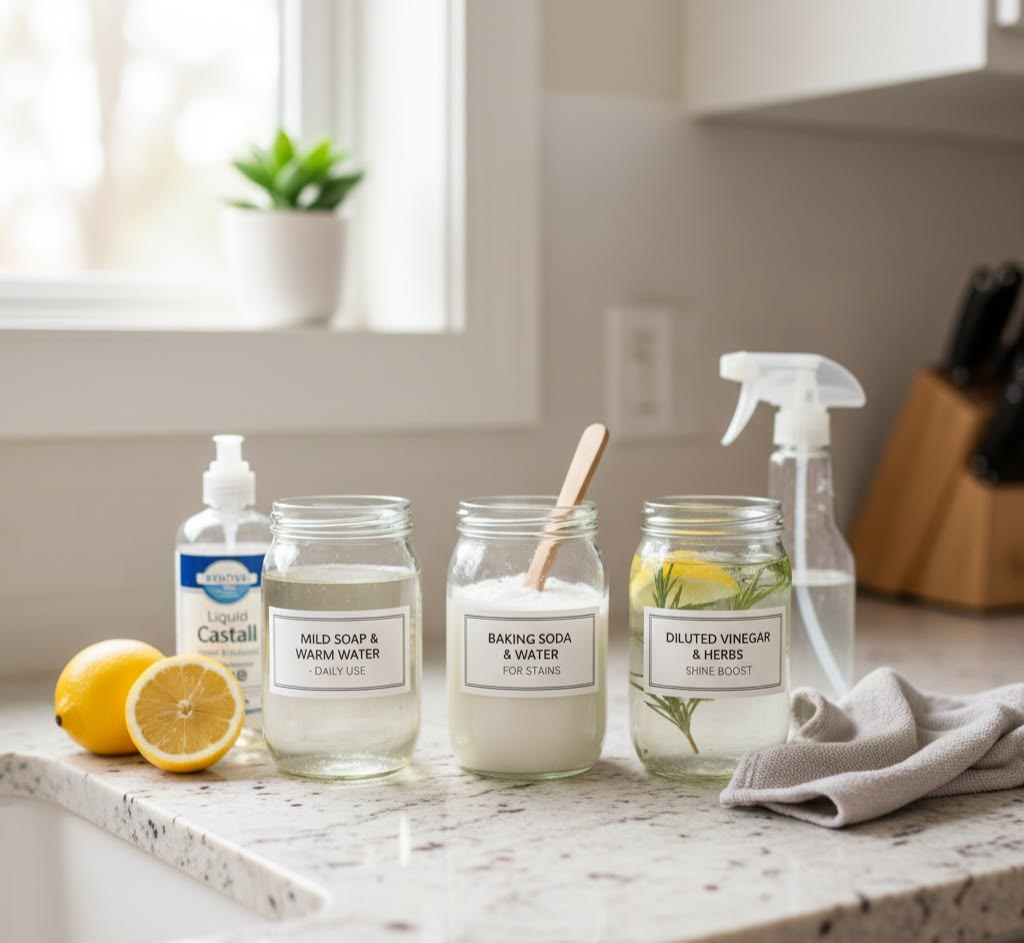
Non-Toxic Home Care: The Ultimate DIY Eco-Friendly & Family-Safe Cleaning Guide
For young families, condo dwellers, and pet owners living in humid tropical environments, maintaining a spotless home often feels like a constant battle. However, relying on heavy commercial chemical cleaners—loaded with synthetic fragrances, quaternary ammonium compounds (quats), chlorine bleach, and phthalates—presents hidden health risks.
In enclosed or air-conditioned condo spaces, chemical fumes linger long after wiping. Crawling toddlers spend hours on floor mats, while cats and dogs walk across freshly mopped tiles and ingest floor chemical residues during grooming.
Switching to DIY plant-based and mineral cleaners allows you to sanitize kitchen countertops, eliminate pet accidents, and strip soap scum using inexpensive pantry staples that are 100% safe for little hands, paws, and lungs.
The Pantry Powerhouse: 6 Core Ingredients
You don't need dozens of specialty spray bottles. Over 90% of household cleaning tasks can be solved using six natural, non-toxic ingredients:
| Ingredient | Primary Cleaning Mechanism | Family & Pet Safety Advantage |
|---|---|---|
| Distilled White Vinegar (5%) | Mild acetic acid; cuts grease, dissolves mineral limescale, and neutralizes alkaline odors. | Non-toxic to ingest in diluted amounts; breaks down quickly without VOC fumes. |
| Baking Soda (Sodium Bicarbonate) | Mild alkaline abrasive (pH ≈ 8.1); neutralizes acidic smells, scrubs without scratching enamel. | Completely food-safe; safe for baby toys and food preparation surfaces. |
| Liquid Castile Soap | Concentrated plant-oil soap (olive, coconut, or hemp); emulsifies dirt and grease. | Free of synthetic SLS sulfates, artificial dyes, and parabens; gentle on sensitive skin. |
| 3% Hydrogen Peroxide | Eco-friendly oxygen disinfectant; oxidizes bacteria, viruses, and mold spores. | Breaks down into harmless water and oxygen molecules; leaves no chemical film behind. |
| Citric Acid Powder | Concentrated fruit acid; descales water kettles, dishwashers, and shower glass. | Odorless alternative to vinegar for households sensitive to acidic smells. |
| Coarse Sea Salt / Kosher Salt | Heavy-duty physical abrasive; scours burnt cookware and sink drains. | Chemical-free scrubbing agent; safe around pets and children. |
Master DIY Recipes for Every Room
Creating your own cleaning sprays takes less than 5 minutes and saves hundreds of dollars annually while eliminating single-use plastic waste.
Recipe 1: The All-Day All-Purpose Surface Cleaner
Ideal for condo quartz countertops, dining tables, high-chair trays, and cabinet doors.
1.5 cups warm distilled water
1/2 cup distilled white vinegar (Note: Omit vinegar if cleaning real marble or granite; use liquid castile soap instead)
1 teaspoon liquid castile soap
10 drops pet-safe essential oil (e.g., Lavender or Roman Chamomile - see safety warning below)
Formulation Tip: Always add water to the bottle before adding castile soap. Adding soap first creates excessive suds when filling.
Recipe 3: Non-Scratch Heavy-Duty Sink & Tub Scrub
Perfect for removing bath rings, soap scum on tiles, and burnt grease on stovetops.
1 cup baking soda
1/4 cup liquid castile soap
1 tablespoon 3% hydrogen peroxide
Mix into a thick paste in a small glass jar. Apply with a damp sponge, scrub gently, and rinse with warm water.
Recipe 4: Streak-Free Glass & Mirror Cleaner
Lifts nose-prints left by dogs and sticky finger marks left by toddlers on glass balcony doors.
1 cup water
1 cup 70% isopropyl alcohol (evaporates fast to prevent water streaks)
1 tablespoon white vinegar
Spray lightly onto glass and wipe using a clean flat-weave microfiber glass cloth or crumpled black-and-white newspaper.
Essential Oil Safety: Protecting Pets & Infants
While essential oils are natural, many concentrated plant extracts are highly toxic to pets—particularly cats, whose livers lack the glucuronyl transferase enzyme needed to metabolize essential oil compounds.
Safe Scenting Alternatives for Pet Homes
Citrus Peel Vinegar Infusion: Soak leftover orange, lemon, or lime peels in a jar of white vinegar for 2 weeks. Strain out the peels. The natural citrus oils extracted via acetic acid provide a fresh scent without toxic essential oil concentrations.
Unscented Cleaning: Omit essential oils entirely. True cleanliness has no smell—synthetic "fresh pine" or "lavender breeze" scents are merely chemical masks.
Condo Living & Compact Space Efficiency Hacks
Living in a high-rise condominium requires smart storage and low-moisture cleaning strategies to manage small footprints and high humidity.
1. The Microfiber Color-Coding System
Prevent cross-contamination between high-germ zones (bathrooms) and food areas (baby high chairs):
Yellow Microfiber: Kitchen countertops, dining tables, and baby feeding seats.
Blue Microfiber: Windows, mirrors, and glass balcony railings.
Green Microfiber: General furniture dusting, TV units, and living room shelves.
Red / Pink Microfiber: Bathroom sinks, toilets, and floor drains ONLY.
2. Moisture-Free Floor Mopping Strategy
Avoid Excess Water: Soaking wooden laminate or vinyl click flooring in condos causes board edges to swell and warp under high tropical humidity.
Damp Spray Mop Technique: Fill a spray mop reservoir with water, 2 drops of dish soap, and 1/4 cup white vinegar. Spray lightly in front of the mop head—floors should dry within 30 seconds of passing over them.
Eco-Friendly Home Care Schedule
| Frequency | Cleaning Task | Recommended DIY Formula |
|---|---|---|
| Daily | High chair trays, dining tables, and kitchen counters. | Universal All-Purpose Surface Spray + Yellow Microfiber |
| Bi-Weekly | Mop living room tiles & play mat areas. | Damp Spray Mop Solution (Water + Vinegar + Dish Soap) |
| Weekly | Sanitize bathroom sinks, faucets, and tub rings. | Non-Scratch Scrub Paste + Warm Water Rinse |
| Monthly | Descale kettle, dishwasher, and washing machine drum. | 2 tablespoons Citric Acid powder run on hot water cycle |