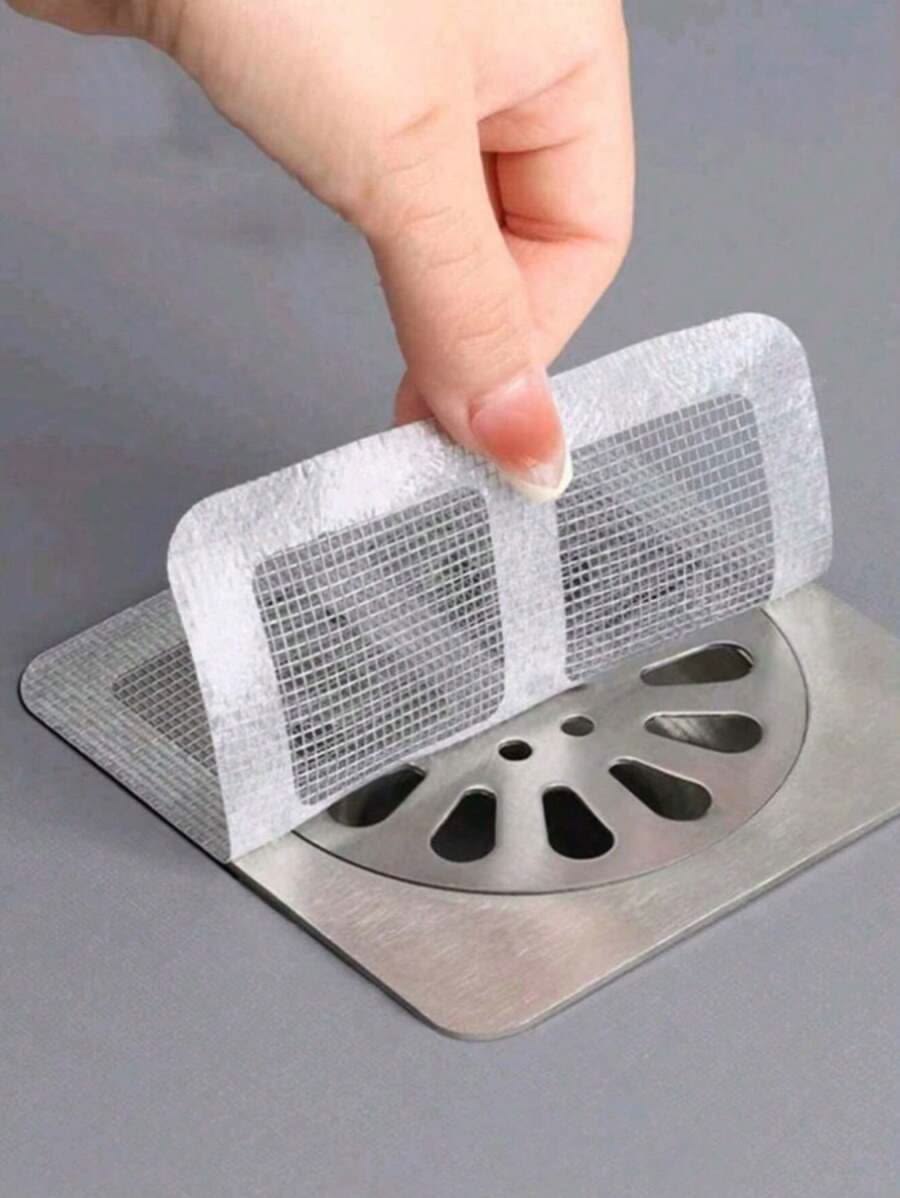
Pest Prevention & Home Hygiene: Conquering Tropical Drain Flies & Sewer Odors
In Malaysia's year-round hot and humid climate (28°C–34°C with relative humidity above 80%), indoor drainage systems are under constant environmental stress. Bathroom floor traps, wet kitchen sinks, laundry standpipes, and balcony floor drains serve as incubator zones for drain flies and foul sewer odors (bau longkang).
High ambient heat accelerates the decomposition of organic matter trapped in plumbing lines. This forms a thick, gelatinous biofilm—a breeding ground for pests and a primary source of noxious gas leakage.
1. The Biology of Drain Flies (Psychodidae)
Drain flies—commonly known as moth flies, filter flies, or sewer flies—are tiny insects (1.5 mm to 5 mm long) recognized by their fuzzy bodies and leaf-shaped, hair-covered wings.
Life Cycle Inside the Biofilm
Unlike house flies that breed in exposed food waste, drain flies complete nearly their entire life cycle inside the dark, saturated interior of your home's drainage pipes.
8 to 24 Days
Weak Flying Capability: Drain flies are poor flyers. They do not migrate far from their birth site and are typically found clinging to bathroom tiles, mirrors, or sink rims within 1 to 2 meters of an infested drain.
Hygiene Risks: While drain flies do not bite humans, their bodies collect bacteria (E. coli, Salmonella, Pseudomonas) from sewer pipe walls. When they land on toothbrushes, bath towels, or kitchen countertops, they mechanically transfer these pathogens.
2. The Root Causes of Tropical Drain Odors (Bau Longkang)
Foul odors wafting from floor traps or sink basins indicate a failure in the building's plumbing air-seal or an accumulation of anaerobic bacteria.
Primary Causes of Drain Odors:
Anaerobic Hydrogen Sulfide (H₂S) Production: In oxygen-starved drain traps, sulfur-reducing bacteria feed on trapped hair, skin flakes, body fats, and soap scum (calcium stearate). This reaction produces hydrogen sulfide gas, which smells like rotten eggs.
Evaporated P-Trap Water Seals (Dry Trap Syndrome): Every floor trap and sink standard installation features a "P-trap" or bottle trap designed to hold a standing pool of water. This water barrier physically blocks sewer gas from rising out of the municipal sewer or condo soil stack. In tropical heat, unused guest bathroom drains can evaporate completely in 7 to 14 days, opening an direct pathway for sewer gases.
Biofilm Accumulation: Over time, grease, hair conditioner, shampoo, and bath oils coat the vertical walls of PVC drainage pipes, creating an adhesive layer that traps debris and breeds bacteria.
3. Diagnostic Tests: Locating the Infestation Source
Before applying treatments, identify which specific drain trap or fixture is harboring larvae or leaking sewer gas.
The Clear Tape Test (For Drain Flies)
Dry the floor grate or sink drain rim thoroughly at night.
Place a strip of clear packing tape across the drain opening, sticky-side down, leaving small gaps at the edges for airflow.
Leave overnight. If adult flies emerge from the drain during their peak nocturnal hours, they will become trapped on the adhesive.
The Flashlight & Pipe Inspection (For Biofilm & Odors)
Unscrew or lift the metal/plastic floor grate cover.
Shine a bright LED torch straight down into the trap.
What to look for: A velvet-black, jelly-like coating lining the pipe walls indicates heavy biofilm. Small, slender dark worms (4 mm to 10 mm long) wriggling near the waterline are drain fly larvae.
4. Why Bleach and Boiling Water Fail
Most homeowners attempt to fix drain flies and bad smells by pouring household chlorine bleach or boiling water down the drain. Both methods yield disappointing results.
The Bleach Myth: Chlorine bleach is a liquid liquid disinfectant, but it cannot dissolve heavy organic slime. It washes straight over the gelatinous biofilm layer without penetrating it. The larvae protected inside the slime survive completely unharmed, and the smell returns within 48 hours.
The Boiling Water Hazard: While boiling water can kill exposed larvae, pouring 100°C water directly down PVC or flex-hose plumbing can deform thin plastic pipes, melt rubber waterproof gaskets, or crack porcelain toilet bowls.
5. Step-by-Step Eradication Protocol
To permanently eliminate drain flies and odors, you must physically break down and digest the organic slime matrix lining the interior pipe walls.
Remove the floor grate cover. Insert a flexible plastic drain snake or hair-clog removal tool into the trap.
Rotate the tool to catch hair clumps, soap buildup, and solid debris.
Pull out the obstruction and dispose of it directly into a sealed plastic trash bag.
Use a long, stiff-bristled cylindrical pipe brush (or an old bottle brush) to scrub the vertical walls of the drain trap.
Scrub vigorously around and below the water-line level to detach the caked gelatinous slime shield housing the fly larvae.
Flush with 2 to 3 liters of warm tap water (50°C–60°C) to carry away loosened debris.
Pour a specialized bacterial-enzymatic gel cleaner (containing lipase, protease, and amylase enzymes) down the drain late at night when the pipes will remain unused for 6 to 8 hours.
How it works: The live bacteria stick to the vertical pipe walls and digest organic fats, proteins, cellulose, and hair residues down to water and carbon dioxide.
Dosing: Repeat daily for 3 consecutive nights until flies and smells disappear.
On the morning following treatment, flush the drain with warm running tap water for 2 minutes to rinse away digested organic residues.
Ensure the water trap reservoir is fully replenished with clean standing water to restore the gas-blocking seal.
6. Structural Fixes & Hardware Solutions
Preventing recurrent odor leakage and fly entry requires upgrading hardware components at vulnerable drainage points.
1. Retrofit One-Way Anti-Odor Floor Traps
Standard open-grate floor drains allow gases and insects to pass freely. Install a gravity-flap or silicone-core one-way anti-odor check valve:
Silicone Core Traps: Soft silicone membranes open downwards when water flows from the shower, then instantly snap shut when water stops, blocking gases, cockroaches, and drain flies.
Magnetic / Counterweight Flaps: ABS plastic inserts with magnetic or weighted trap doors that seal automatically when dry.
2. Seal Air Conditioning Drain Lines
In tropical homes, air conditioner evaporator coils generate continuous condensate water, which is often piped directly into bathroom floor traps or sink tailpieces.
If the AC drain hose terminates above the floor grate without an airtight seal, sewer gas can travel up the condensate line and enter bedrooms or living rooms.
Solution: Install a dedicated mini inline trap or ensure the condensate hose enters below the water level of the floor trap seal.
3. Maintain Dry Guest Bathroom Floor Traps
If a bathroom is rarely used:
Pour 1 liter of water down the floor drain once per week to prevent trap drying.
Add 1 tablespoon of mineral oil or cooking oil to the trap water. The oil floats on top, forming a protective surface layer that slows water evaporation significantly.
7. Solution Comparison: Chemical vs. DIY vs. Enzymatic
| Method | Efficacy on Biofilm | Efficacy on Larvae | Pipe Safety | Environmental Impact | Ideal Use Case |
|---|---|---|---|---|---|
| Bio-Enzymatic Drain Gel | High (Digests sludge completely) | High (Starves larvae food source) | 100% Safe (Non-corrosive) | Eco-Friendly / Biodegradable | Long-term elimination of drain flies & grease odors. |
| Baking Soda + Vinegar Flush | Moderate (Foaming action clears light grease) | Low (Does not destroy deep slime) | Safe | Eco-Friendly | Weekly maintenance and light freshening. |
| Chlorine Bleach | Low (Rinses over slime layer) | Low (Larvae survive inside slime) | Risk of toxic fumes if mixed with ammonia | High toxicity to aquatic life | Surface disinfection of sink basins only. |
| Caustic Soda (Sodium Hydroxide) | High (Dissolves hair & heavy grease) | High | High Risk (Can melt PVC, generate extreme heat) | High chemical hazard | Emergency clearing of severe solid blockages (Use with caution!). |
| Anti-Odor Silicone Insert | High (Physical barrier) | Prevents entry/exit | 100% Safe | Permanent physical fix | Retrofitting old floor grates against sewer gas & roaches. |
8. Preventive Hygiene Schedule
Implement this preventive checklist to maintain clean, odor-free drains in tropical homes:
- Daily Hygiene
- Clear hair accumulation from shower drain strainers after every bath.
- Flush kitchen sink drains with hot tap water after washing greasy dishes.
- Weekly Hygiene
- Pour 1/2 cup Baking Soda followed by 1 cup White Vinegar down floor drains; wait 30 mins, flush with hot water.
- Refill standing water in unused guest bathroom P-traps.
- Wipe down bathroom floor grates with a disinfectant spray to remove surface mold.
- Monthly Hygiene
- Inspect silicone anti-odor valve inserts for hair entanglement or wear.
- Apply 1 dose of Bio-Enzymatic gel down high-use floor traps.
- Check washing machine discharge standpipes and clean lint filters.