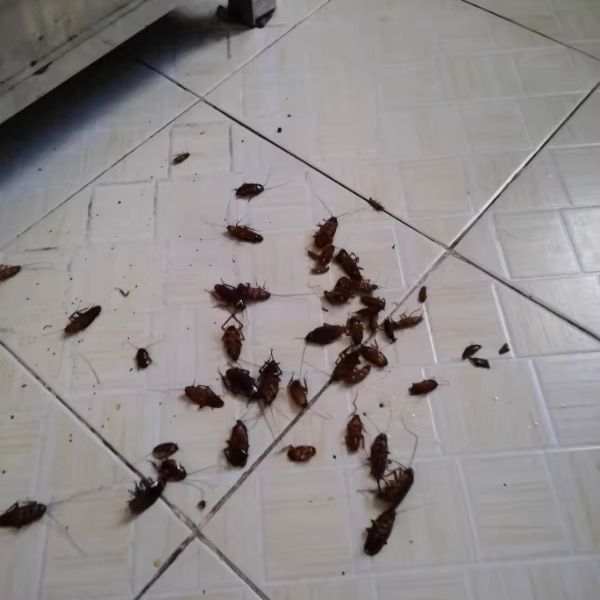
Pest Prevention & Home Hygiene: Lizards & Cockroaches
In tropical environments like Malaysia, ambient temperatures between 28°C and 34°C combined with relative humidity levels exceeding 80% create an ideal breeding ground for household pests. Two of the most pervasive indoor intruders are cockroaches (lipas) and house geckos (cicak).
While many homeowners treat these as separate issues, they exist in a direct predator-prey dynamic. Lizards inhabit indoor spaces primarily because micro-insects and young cockroaches are abundant. Controlling your home's lizard population requires eliminating the underlying cockroach infestation and closing off structural access points.
1. Understanding the Species & Health Hazards
Cockroach hiding in kitchen cabinetry. Source: Cockroach Care
Cockroaches (Lipas)
Urban dwellings in the tropics host two primary cockroach species, each with distinct habitats and behaviors:
German Cockroach (Blattella germanica): Small (1.1–1.6 cm), light brown with two dark parallel stripes on the pronotum. They prefer warm, tight, humid micro-environments close to food and moisture—specifically kitchen cabinet hinges, behind refrigerators, inside microwave motor housings, and around sink plumbing. A single female produces an egg capsule (ootheca) containing 30 to 40 eggs every few weeks.
American Cockroach (Periplaneta americana): Large (3.5–5 cm), reddish-brown, and capable of short flights. They thrive in sewage lines, septic tanks, floor drains, and rubbish chutes, entering living spaces through unsealed pipes, drain grates, and door gaps.
Health Risk: Cockroaches are mechanical vectors for pathogenic bacteria including Salmonella enterica, Escherichia coli, and Pseudomonas aeruginosa. Additionally, their shed exoskeletons, saliva, and fecal matter contain proteins that trigger severe indoor allergies and asthma attacks in children.
Cockroach ootheca carrying up to 40 eggs. Source: HHelene / Getty Images
House Geckos (Cicak)
The most common indoor reptile is the Common House Gecko (Hemidactylus frenatus). They are nocturnal, climbing walls and ceilings via microscopic setae on their toe pads to hunt insects near artificial lights.
Common house gecko on an indoor wall. Source: Martoyo Kasan / Getty Images
Why Direct Eradication Isn't Always Ideal: Geckos are natural bio-controls that consume mosquitoes, moths, and small flies.
The Hygiene Hazard: Gecko droppings pollute food preparation surfaces, walls, and curtains. Like most reptiles, geckos carry Salmonella bacteria in their digestive tracts, which spreads to human surfaces through their feet and waste.
2. Identification & Early Warning Signs
Early detection prevents minor entries from expanding into established colonies.
Sign
Cockroaches (Lipas)
Lizards (Cicak)
Droppings
Black specks resembling ground pepper or coffee grounds (German) or small cylindrical ridges (American).
Rod-shaped black or dark brown pellets featuring a distinct white tip (uric acid crystals).
Odor
Musty, oily, sweet-sickly pheromone smell in enclosed cabinets or pantries.
None.
Physical Markers
Discarded translucent egg cases (oothecae) in cabinet joints; shed skins during molting.
Chalky white eggshell remnants hidden behind wall-mounted picture frames or clock backs.
Active Hours
Strictly nocturnal; daytime sightings indicate severe overpopulation driving pests into the open.
Dusk to dawn around lighting fixtures; daytime hiding behind thick curtains or wall hangings.
3. Structural Pest Exclusion & Proofing
Chemical treatments fail if your home's perimeter remains open. Tropical pest proofing requires sealing entry pathways.
Installing a door sweep to seal entry gaps. Source: Gary Ombler / Getty Images
Exclusion Checklist
Door Sweeps & Weather Stripping: Young lizards and German cockroaches can squeeze through gaps as small as 1.5 mm to 2 mm. Install heavy-duty nylon brush or rubber sweeps on all exterior-leading doors and main entrance doors.
Drain Traps & Floor Grates: Replace open floor traps in wet kitchens and bathrooms with anti-odor, magnetic/gravity-flap floor drain traps. These remain sealed until water flows through, blocking American cockroaches coming up from drainage lines.
Pipe Collar Seals: Check under kitchen sinks and bathroom vanities where PVC drainage pipes penetrate tile walls. Seal all perimeter gaps using non-shrinking neutral silicone sealant or expanding polyurethane foam stuffed with stainless steel mesh (to prevent chewing).
Window Insect Screens: Install fine fiberglass mesh (jaring nyamuk) on all open window louvers and sliding windows.
4. Elimination Protocol: Step-by-Step Strategy
Follow this sequential method to clear existing cockroach populations and discourage lizards from remaining indoors.
Deprive Water & Food Resources
Step 1: Resource Elimination
Before laying baits, eliminate all alternative food and water sources.
Fix Under-Sink Leaks: Repair dripping faucets, weeping PVC joints, and air conditioning condensation drain lines.
Wipe Sinks Dry: Wipe kitchen sinks and bathroom counter surfaces bone-dry before bed. Cockroaches can survive weeks without food, but die within days without moisture.
Airtight Food Storage: Transfer flour, sugar, rice, and snacks into sealed glass or heavy plastic container jars with silicone gaskets.
Deploy Targeted Cockroach Gel Baits
Step 2: Colony Eradication
Do not use aerosol sprays on indoor colonies. Sprays scatter German cockroaches, causing them to split into sub-colonies throughout the home (repellency scattering effect).
Apply Gel Bait: Apply pea-sized dabs of active cockroach gel bait containing Fipronil or Imidacloprid near cabinet hinges, under sink rims, behind the refrigerator coil, and inside electrical trunking.
Exploit Cannibalism: Foraging cockroaches feed on the bait, return to the nest, and die. The colony eats their feces (coprophagy) and carcasses (necrophagy), cascading the active ingredient through the entire nest.
Apply Desiccant Dusts in Wall Voids
Step 3: Long-term Protection
For hard-to-reach cracks, apply food-grade Diatomaceous Earth (DE) or Boric Acid powder using a bulb duster.
DE wears down the waxy protective layer of an insect's exoskeleton, leading to dehydration and death.
Puff light layers into hollow wall cavities, under heavy appliances, and inside electrical backboxes. Avoid thick piles, as insects will simply walk around them.
Implement Lizard Deterrents & Removal
Step 4: Reptile Repellency
Once insect food sources are reduced, target remaining lizards using sensory repellents and physical removal methods.
Eggshell Olfactory Deterrent: Place fresh, unwashed chicken eggshell halves near window sills and entry corners. The sulfurous smell mimics a avian predator presence to geckos.
Cold Water Stun Method: Spray persistent indoor geckos directly with ice-cold water using a spray bottle. This drops their body temperature, temporarily slowing them down for easy capture and relocation.
Essential Oil Spray: Mix 15 drops of peppermint oil or clove oil with 200 ml of water and 1/2 tsp of dish soap. Spray along ceiling corners and behind picture frames where geckos rest.
5. Natural vs. Chemical Control Comparison
Evaluating the performance, safety profile, and ideal use cases for various pest management options:
Control Method
Target Pest
Mechanism
Safety Considerations
Best Used For
Gel Baits (Fipronil / Imidacloprid)
Cockroaches
Ingested neurotoxin; primary & secondary kill via nest feeding.
Low human toxicity when placed in hidden cracks; keep away from pets.
Active kitchen and pantry infestations.
Aerosol Insecticide Sprays
Cockroaches
Contact nerve toxin.
High inhalation risk; flammable; toxic to aquatic life.
Spot-killing individual flying American cockroaches.
Non-toxic; avoid inhaling fine dust during application.
Under stoves, inside hollow cabinets, behind drywall.
Sticky Trap Boards
Lizards & Cockroaches
Mechanical adhesive capture using food or scent lures.
Non-toxic; requires manual disposal of trapped live pests.
Along wall bases, under furniture, behind fridges.
Eggshells / Essential Oils
Lizards
Olfactory deterrents mimicking predators or irritating sensory organs.
Completely natural and safe for indoor living areas.
Preventing lizards from re-entering clean rooms.
6. Routine Hygiene Maintenance Schedule
Maintaining home hygiene in tropical environments requires consistent effort to keep pest populations from returning.
Daily
Wash all kitchen cookware and dishes; never leave dirty dishes overnight.
Sweep food crumbs from floor tiles and wipe stove grease with a degreaser.
Empty wet kitchen waste bins into sealed outdoor bins before bed.
Weekly
Vacuum behind sofa cushions, electrical wire hubs, and pantry shelves.
Inspect under-sink cabinet bases for moisture stains or new droppings.
Clean grease trap filters on kitchen range hoods.
Monthly
Inspect rubber door sweeps and window screens for tears or gaps.
Pull heavy kitchen appliances out to clean accumulated dust and organic matter.
Refresh gel bait dots in concealed cabinet joints and pantry corners.
Cookies on this site
We use a few essential cookies to make this site work. With your permission we also show Google Maps and videos, which set cookies of their own. Read the cookie policy
Cookie settings
Choose what this site may store on your device. You can change this at any time from the Cookie settings link at the bottom of every page.
Essential
Keeps the site working, and remembers your cookie choice and your light or dark mode.
Always on
Maps and videos
The map in Contact comes from Google, and some tips show a video from YouTube or Vimeo. These companies set their own cookies when a map or video loads.