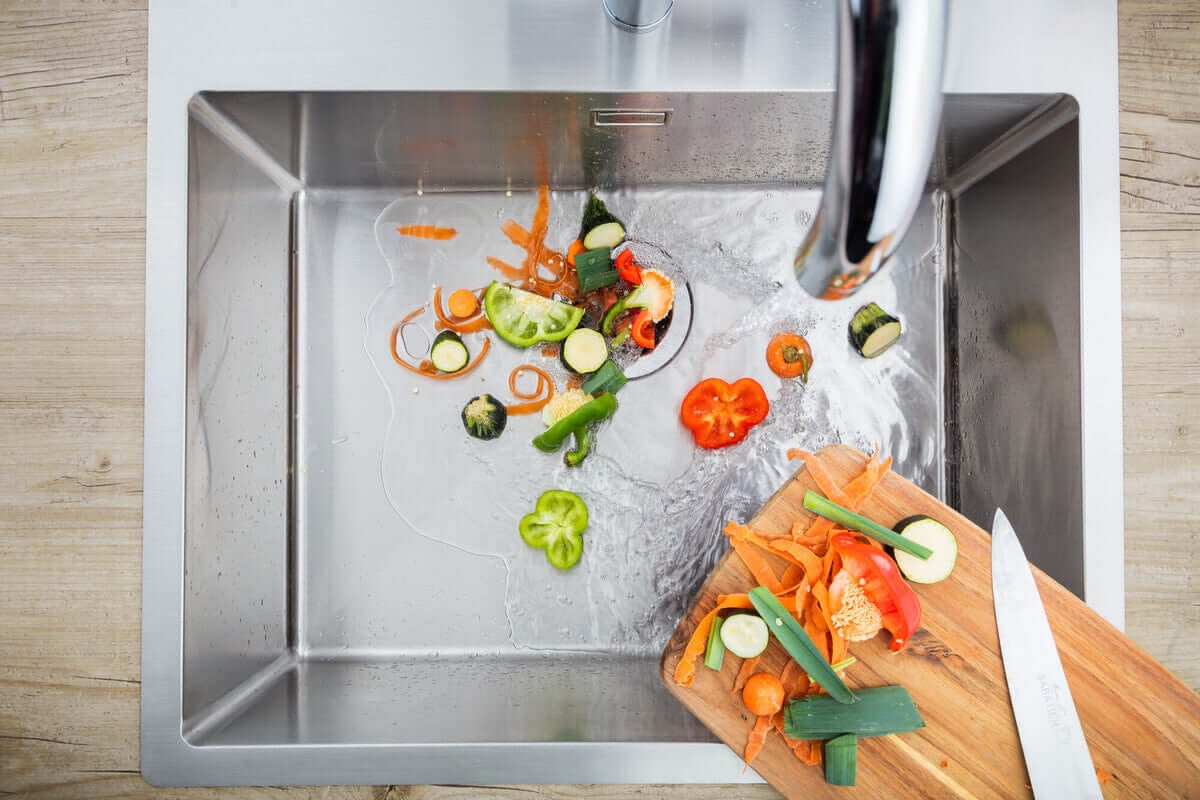
In Malaysia’s tropical climate—where daily temperatures average between 28°C and 34°C with relative humidity constantly exceeding 80%—food waste undergoes rapid microbial decomposition.
Under these conditions, organic kitchen scraps begin fermenting and releasing volatile organic compounds (VOCs) within hours. This odor footprint serves as a beacon for nocturnal and diurnal household pests, including German and American cockroaches, Pharaoh ants, houseflies, blowflies, house geckos (cicak), and rats.
1. The Microbiology of Food Decay in Tropical Climates
Understanding why food waste rots so rapidly in Southeast Asia helps explain why standard temperate-climate waste practices fail.
Bacteria & Pest Incubation Dynamics
Accelerated Bacterial Doubling: Bacteria such as Salmonella, Escherichia coli, and Clostridium double their population every 20 minutes at temperatures between 30°C and 37°C.
Rapid Fly Hatching Cycles: Female blowflies and houseflies are attracted to protein-rich scraps (meat, fish, poultry). In humid tropical conditions, fly eggs can hatch into wriggling maggots in as little as 12 to 24 hours. Leaving meat waste in an indoor bin overnight frequently results in a maggot infestation by the following morning.
Volatile Organic Compound (VOC) Release: Anaerobic bacteria break down amino acids and fatty acids into putrescine, cadaverine, and hydrogen sulfide. These gases penetrate standard thin plastic trash bags, creating an olfactory trail that lures ants and cockroaches from dozens of meters away.
2. Kitchen Bin Architecture & Selection
Choosing the right indoor trash bin is your first line of defense against pest invasions and foul household odors.
Essential Bin Features for Tropical Homes
Hands-Free Operation (Foot Pedal or Sensor): Touchless lids prevent the transfer of grease and food particles from hands onto the bin exterior, eliminating surface scent trails that attract ants.
Airtight Rubber/Silicone Gasket Seals: Standard loose-fitting swing lids allow odor molecules to escape and provide enough of a gap for fruit flies, pharaoh ants, and tiny roach nymphs to enter. Look for bins with an integrated perimeter gasket seal.
Heavy-Gauge Polypropylene or Stainless Steel: Avoid thin, porous plastic bins that absorb grease and food odors over time. Stainless steel or heavy-duty molded polypropylene resists odor absorption and is easy to sanitize.
Strategic Bin Placement
Keep Away from Heat Sources: Never place your kitchen waste bin adjacent to the refrigerator compressor vent, oven, or direct sunlight from a balcony door. Heat dramatically speeds up decomposition inside the bin.
Elevate Off the Floor (If Possible): Placing small countertop compost bins on elevated stands reduces accessibility for crawling insects like ants and young cockroaches.
3. Wet Waste Isolation & Preservation Techniques
Liquid accumulation at the bottom of a trash bag—often called "trash juice" or leachate—is the primary source of severe odors and maggot proliferation.
The "Freezer Scrap" Method for High-Risk Waste
Certain food items deteriorate with extreme odor within hours in tropical heat.
High-Risk Waste Items: Fish gills/guts, prawn heads, crab shells, chicken bones, beef fat trimmings, durian seeds, and fermented shrimp paste (belacan) remnants.
Implementation Steps:
Designate a dedicated, heavy-duty Ziplock bag or reusable plastic container in your freezer labeled "Organic Scrap Storage."
Immediately deposit raw meat trimmings, seafood waste, and pungent fruit remains into this freezer bag rather than your kitchen bin.
On municipal trash collection morning, transfer the frozen scrap block directly into your outdoor garbage bin (tong sampah). Because the waste remains frozen until collected, it generates zero odor, zero flies, and zero maggots.
Moisture Control Practices
Drain Sink Scraps Thoroughly: Before tossing vegetable peels or food scraps into the bin, squeeze out excess liquid using a sink strainer basket.
Absorbent Base Layer: Place 2 to 3 sheets of dry newspaper, cardboard egg carton pieces, or a layer of cat litter at the bottom of the trash bag to absorb any accidental moisture leaks.
4. Sink Drain & Countertop Hygiene Protocols
Food waste hygiene extends beyond the garbage bin. Sinks and countertops frequently harbour micro-residues that feed ants and drain flies.
Sink Strainer Strainer Management
Food particles trapped in sink strainer baskets decompose rapidly under constant water exposure, forming an organic bio-sludge.
5. In-Bin Natural Pest Repellents & Odor Neutralizers
Even with diligent bagging, bin interiors require active odor suppression to keep pests away.
Effective Natural Repellent Barriers
Essential Oil Cotton Balls: Soak two cotton balls in Citronella (Serai Wangi), Peppermint, or Eucalyptus oil. Place them between the outer bin and the plastic liner bag. Insects despise these concentrated aromatic scents and will avoid the area.
Baking Soda Dusting: Sprinkle 2 tablespoons of sodium bicarbonate (baking soda) directly into the bottom of the trash liner daily. Baking soda chemically neutralizes acidic VOC odors rather than just masking them.
Crushed Neem Leaves / Powder: Neem (Mambu) possesses natural insect-growth-inhibitor properties. Dusting a small amount inside food waste containers deters flies from laying eggs.
6. Outdoor Trash Bin (Tong Sampah) Hygiene
Indoor food waste management is ineffective if your outdoor municipal bin becomes a breeding ground for rats, stray cats, and blowflies.
Securing the Outdoor Wheelie Bin
Lid Latching / Bungee Securing: Tropical stray animals (cats, dogs, wildlife) frequently tip over outdoor bins to access food bags. Use a heavy brick on the lid or a rubber bungee cord across the top to ensure the lid stays closed.
Weekly Disinfection Wash: Spray the interior of your outdoor bin with a garden hose once a week. Use a broom and a solution of pine oil disinfectant or bleach to scrub away stuck residue, fly pupae, and maggot clusters.
Elevate Off Ground Moisture: Stand the bin on paved bricks or concrete tiles rather than raw soil to prevent subterranean termites and burrowing rats from nesting underneath.
7. Strategy Comparison: Food Waste Handling Methods
| Method | Pest Prevention Level | Odor Reduction | Effort Required | Ideal Waste Type |
|---|---|---|---|---|
| Standard Plastic Trash Baging | Low | Low (Leaks gases within hours) | Minimal | Dry paper, non-food packaging |
| Freezer Scrap Preservation | Maximum | 100% (Zero smell release) | Low | Meat, fish, seafood, durian waste |
| Double-Bagging with Cable Tie | High | High | Moderate | General cooked food scraps |
| Bokashi Fermentation (Indoor) | High | Moderate (Pickled odor) | High | All food scraps (for home gardeners) |
| Countertop Open Food Caddy | Very Low (Fly magnet) | Very Low | Minimal | Not recommended for tropical climates |
8. Preventive Daily & Weekly Hygiene Checklist
Use this routine to maintain a pest-free kitchen environment in warm, humid climates:
- Daily Hygiene Checklist
- Empty sink strainer basket after every meal preparation.
- Freeze high-odor meat and seafood scraps immediately.
- Tie indoor kitchen trash bags securely before bedtime.
- Wipe down countertops, stove top, and sink basin to remove grease and water.
- Weekly Maintenance Checklist
- Scrub indoor trash bin interior with warm water and disinfectant soap.
- Wash outdoor municipal bin with hose and pine cleaner.
- Replace essential oil cotton balls at the bottom of kitchen bins.
- Clear grease traps or under-sink catch trays.